In 1992, a Nigerian merchant named Kenneth Nnebue had a problem: a warehouse full of blank VHS tapes he couldn’t sell. His solution — to shoot a low-budget movie and sell the tapes preloaded with the film — accidentally launched the second-largest film industry in the world. That film was “Living in Bondage.” That accident was Nollywood.
More than three decades later, Nollywood produces over 2,500 films annually, employs over a million people, generates billions of naira in economic value, and reaches an estimated audience of 500 million people across Africa and the diaspora. It is a genuinely extraordinary story of creative enterprise born entirely from necessity, ingenuity, and the irrepressible Nigerian urge to tell a story.
And yet, for all its scale and cultural significance, Nollywood remains criminally underrepresented on the global stage. That is precisely what Naija4Sho’s curated Nollywood Movie Nights set out to change.
Why Nollywood Matters Beyond Africa
There is a misconception, particularly in Western markets, that Nollywood is a local curiosity — beloved within Africa but irrelevant beyond its borders. This misunderstanding reveals more about the limitations of Western cultural gatekeeping than it does about the quality of Nigerian cinema.
Nollywood films deal with the full spectrum of human experience: love, betrayal, ambition, family, spirituality, social justice, political corruption, and the complex negotiation between tradition and modernity. These are universal themes. The settings may be Lagos or Enugu or Owerri, but the emotions are entirely recognisable to a viewer in Bangkok, Seoul, or São Paulo.
The evidence is in the numbers. Since Netflix began acquiring and producing Nollywood content — including the global hit “Lionheart” and the critically acclaimed “King of Boys” — Nigerian films have consistently outperformed expectations on the platform, attracting viewers far beyond Africa. The audience is there. It has always been there. It just needed a proper introduction.
“Every great cinema tradition began as someone else’s niche. Hollywood was once a California backyard. Bollywood was once a local industry. Nollywood is next.”
The Art of Nigerian Storytelling
To appreciate Nollywood is to appreciate something deeper: the extraordinary tradition of Nigerian storytelling. Nigeria is home to over 250 ethnic groups, each with its own rich oral tradition — legends, folktales, proverbs, and histories passed down through generations by griots, village elders, and family matriarchs around evening fires.
Nollywood is the digital descendant of these traditions. The genre’s characteristic blend of realism and the supernatural — its comfort with ancestral spirits, divine intervention, and the boundaries between worlds — is not a quirk of low-budget filmmaking. It is a direct inheritance from oral traditions that predate colonialism by centuries. When a Nollywood character consults an oracle, they are drawing on the same narrative vocabulary that built the Yoruba, Igbo, and Hausa-Fulani storytelling traditions.
This is why Nollywood’s storytelling feels both ancient and completely fresh to international audiences. It operates from a fundamentally different cultural cosmology than Hollywood, Bollywood, or East Asian cinema. It is not trying to be any of those things. It is entirely, defiantly itself.
| NOLLYWOOD AT A GLANCE
2,500+ films produced annually (second globally) · 500 million viewers across Africa and the diaspora · Over 1 million direct and indirect employees · Contributes over $660 million annually to the Nigerian economy · Netflix, Amazon Prime, and Disney+ all investing in Nigerian content |
From Local to Global: The Streaming Revolution
The rise of global streaming platforms has fundamentally changed Nollywood’s trajectory. Netflix’s acquisition of “Lionheart” in 2018 marked a turning point — the platform’s first Nigerian original. Since then, the investment has accelerated. Amazon Prime Video, Disney+, and Apple TV+ have all begun commissioning and acquiring Nigerian content at scale.
This streaming boom has done something remarkable: it has created a generation of international Nollywood fans who have never set foot in Nigeria. Viewers in Indonesia, Brazil, and France who discovered Nigerian cinema through streaming platforms are now active communities — following Nigerian actors on social media, watching Nigerian award shows, and consuming Nigerian culture far beyond the films themselves.
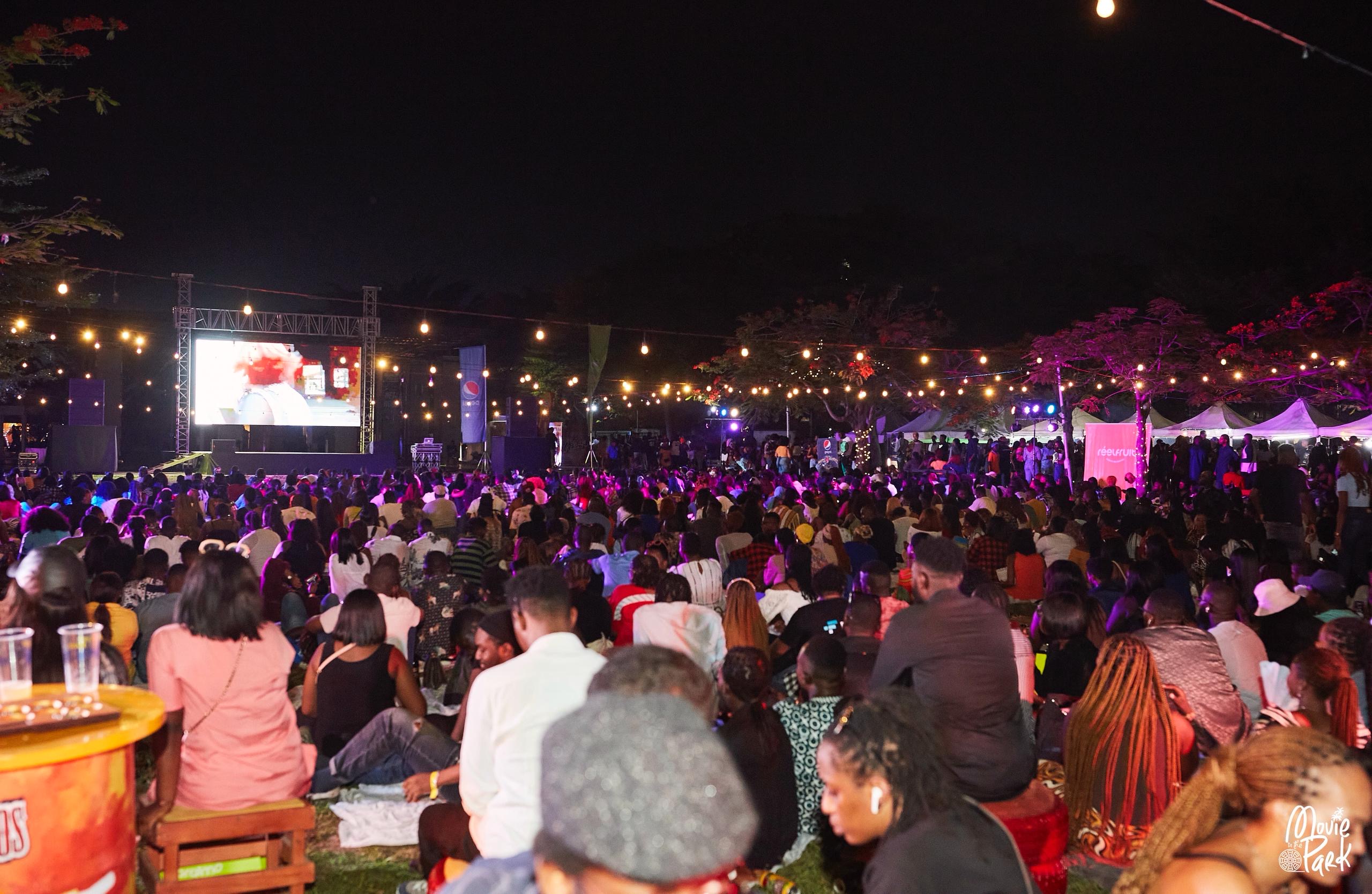
This is the audience that Naija4Sho’s Nollywood Movie Nights are designed to meet and deepen. For the diaspora, the screenings are a homecoming. For international audiences, they are an introduction that no algorithm could engineer. There is no substitute for the collective experience of watching a great Nigerian film in a crowd — laughing together, gasping together, feeling together.
What Naija4Sho’s Nollywood Nights Offer
Each Naija4Sho edition features carefully curated Nollywood screenings — a programme designed to represent the full range of Nigerian filmmaking, from crowd-pleasing comedy to serious dramatic work, from classic Golden Age films to cutting-edge contemporary productions.
Screenings are accompanied by filmmaker Q&As, cultural context panels, and post-screening discussions that transform a cinema experience into a genuine cultural dialogue. International audiences leave not just having watched a Nigerian film — they leave understanding the society, history, and creative tradition from which it emerged.
This is soft power in its most potent form. Not propaganda. Not marketing. Just great stories, honestly told, generously shared. Nollywood has always had those stories. Naija4Sho ensures the world gets to hear them.
“Stories do not need passports. But they do need stages. And Naija4Sho is building the biggest stage Nigeria has ever had.”
 Users Last 30 days : 21
 Total views : 1632